THMs in Drinking Water: What They Are & Why They Matter
Ever noticed a chlorine smell coming from tap water? One reason may be THMs.

Hello Water Filtration
Water Quality Experts
Ever noticed a chlorine smell coming from tap water? One reason may be THMs.
These compounds are not added on purpose. They form when chlorine reacts with natural organic matter in water. Chlorination saves lives, but it can also create these by-products, which is why Australian water authorities monitor them closely.
What Exactly Are THMs?
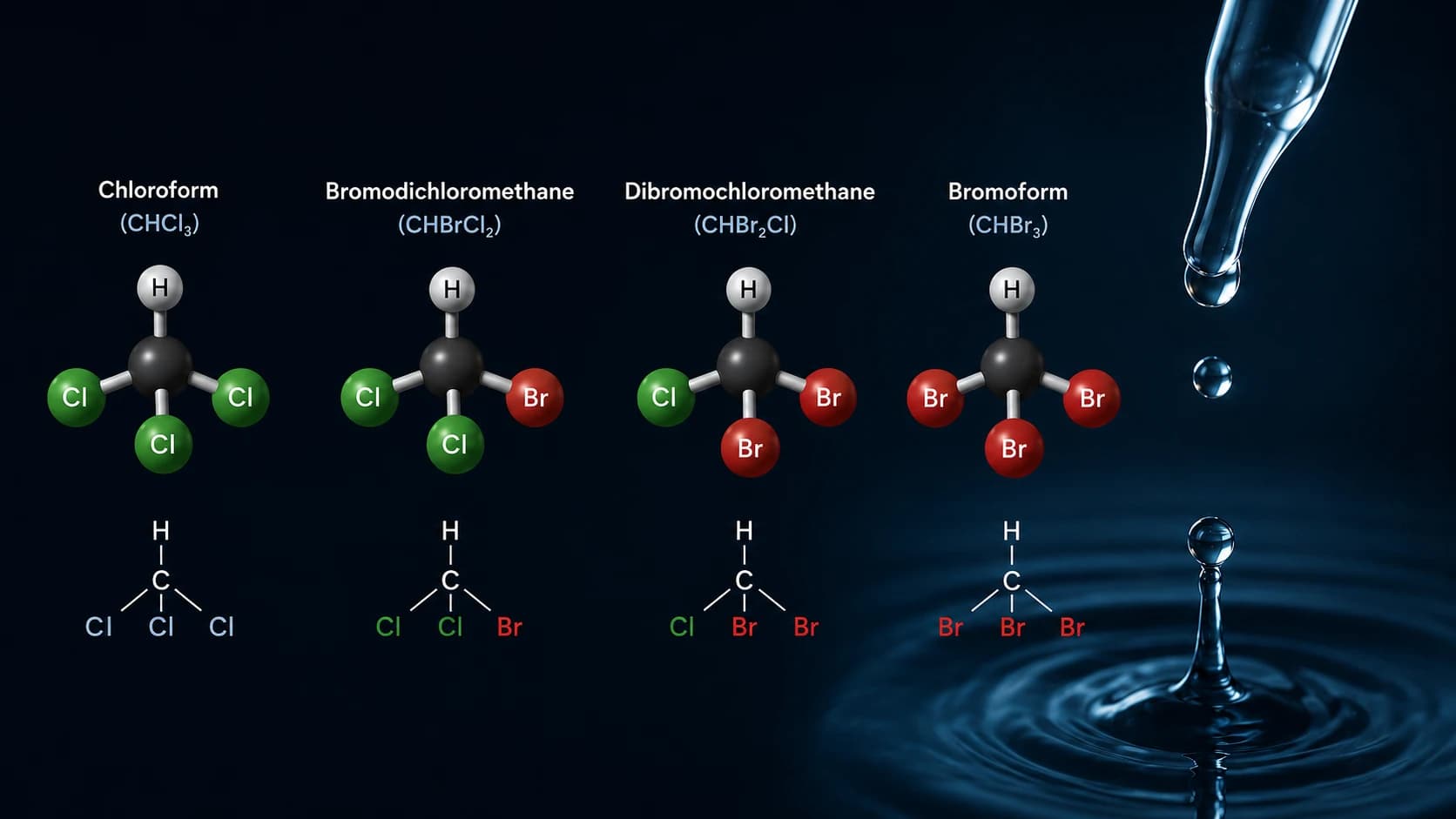
THMs (also known as trihalomethanes) are a group of chemical compounds that can form during water disinfection. The 4 main THMs are:
- Chloroform
- Bromodichloromethane (BDCM)
- Dibromochloromethane (DBCM)
- Bromoform
Together, they are often measured as Total Trihalomethanes (TTHMs).
How Do THMs Form in Water?
THMs form when: chlorine is added to disinfect water, natural organic matter is present, and water stays in contact with chlorine for longer periods. Heat, seasonal changes, organic load, & treatment conditions can all affect THM levels.
Should You Be Concerned About THMs?
At regulated levels, THMs are closely managed in Australia. But long-term exposure to higher levels has been linked in some studies to possible health concerns, including:
- Increased bladder cancer risk
- Reproductive & developmental effects
- Liver & kidney impacts at high exposure levels
The key point is that disinfection is essential. Without it, the risk from harmful microbes would be far greater.
What Are the Australian Guidelines for THMs?
Under the Australian Drinking Water Guidelines (ADWG), the guideline value for Total Trihalomethanes (TTHMs) is 250 micrograms per litre (µg/L). Water utilities monitor this regularly & work to keep levels below the guideline while still protecting public health.
How Can THMs Be Reduced?
At home, activated carbon filtration is one of the most effective ways to reduce THMs. Whole-home filtration can also help lower exposure during:
- Drinking
- Cooking
- Showering
- Bathing
That matters because THMs can also be inhaled in steam or absorbed through the skin in hot showers.
Cleaner Water Starts at Home
"At Hello Water Filtration, we believe cleaner water should flow from every tap — not just the kitchen sink."
Our whole-home filtration systems are designed to help reduce chlorine, chloramines, THMs, PFAS, heavy metals, pesticides, herbicides, VOCs, microplastics, sediment, & unwanted taste & odour throughout your home.