Heavy Metals in Australian Drinking Water: What’s Really in Your Tap & What It Means for Your Health
When people hear "metals" in drinking water, they assume they're harmful. Here's what's actually in your tap.

Hello Water Filtration
Water Quality Experts
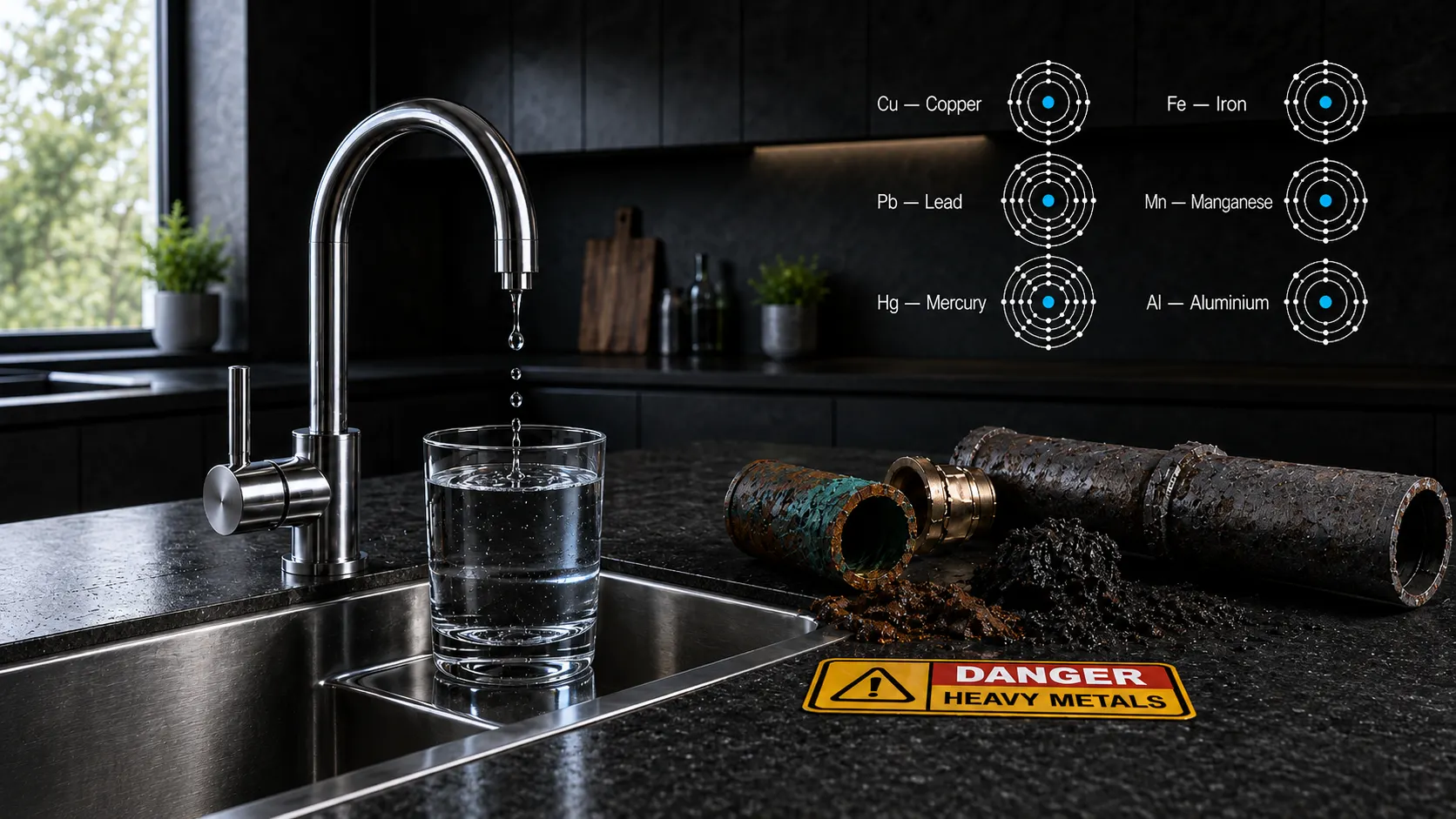
When people hear the word "metals" in drinking water, it's easy to assume they're all harmful. In reality, Australian drinking water can contain a range of naturally occurring & human-made metals, each with different properties, sources, & potential health impacts.
Metals including iron, copper, manganese, & aluminium, are commonly found in water supplies or plumbing & are generally considered safe at low concentrations. However, lead & mercury are toxic heavy metals with no known health benefit & are among the most closely monitored contaminants in drinking water.
How Do Metals End Up in Drinking Water?
Metals & contaminants can enter drinking water through:
- Natural rock & soil deposits
- Groundwater & surface water
- Water treatment processes
- Corrosion of older plumbing & fittings
- Industrial & mining activities
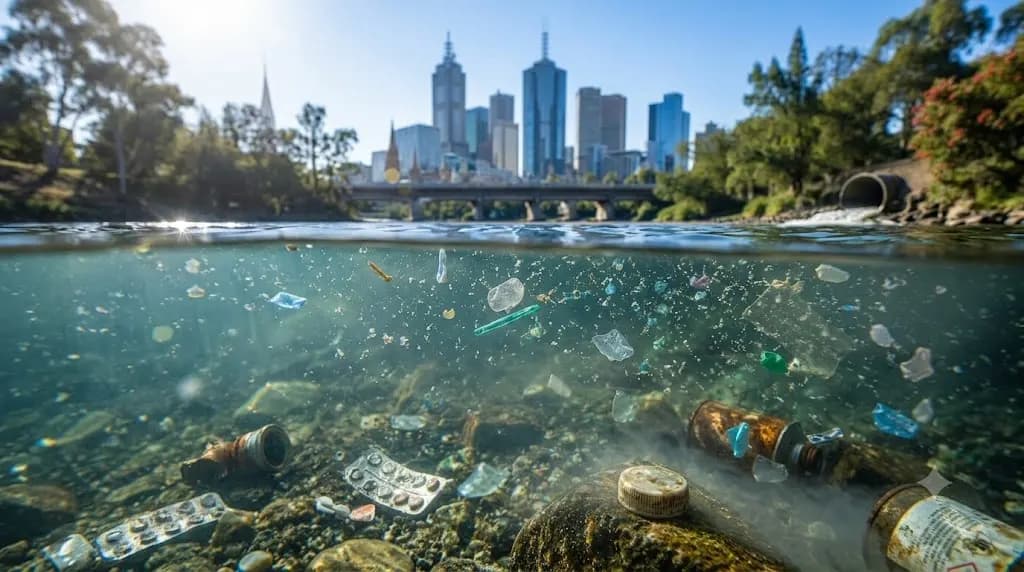
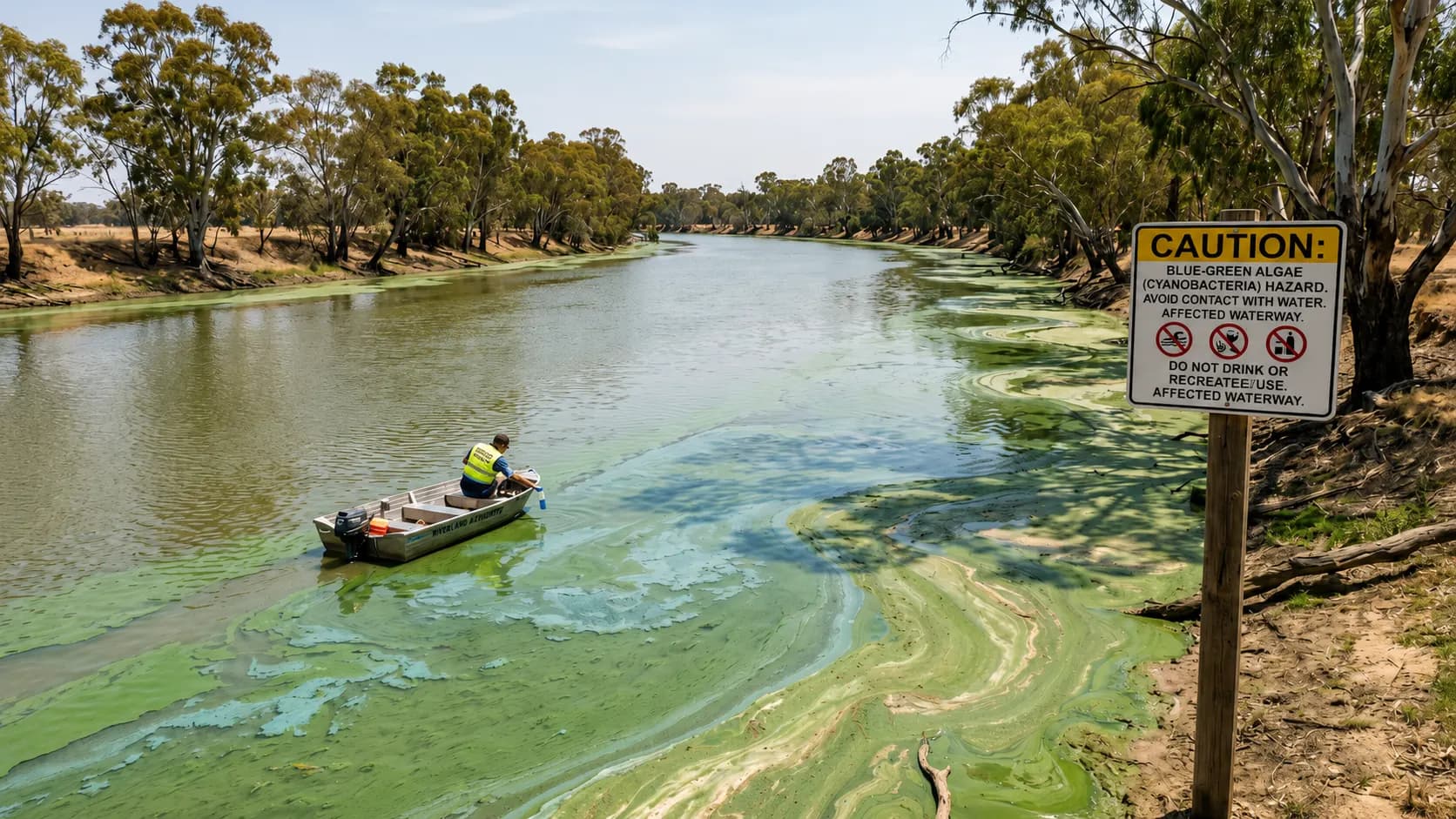
- Agricultural runoff & pollution
Australian water utilities routinely monitor these substances to ensure they comply with the Australian Drinking Water Guidelines (ADWG).
Lead: The Heavy Metal of Greatest Concern
Lead is the heavy metal of greatest health concern in drinking water. It isn't added during treatment & is usually introduced by older pipes, brass fittings, or lead-based solder.
Long-term exposure has been linked to impaired brain development in children, learning difficulties, kidney damage, & cardiovascular disease. Because there is no known safe or beneficial level of lead exposure, Australian water authorities work to keep concentrations as low as possible.
Copper: Common, But Not Always Harmless
Copper commonly enters drinking water through household plumbing. While it is an essential nutrient, elevated levels can occur when water sits in copper pipes for extended periods. Higher concentrations may cause a metallic taste, blue-green staining around fixtures, & stomach irritation in some people.
Iron: A Common Cause of Staining & Taste Issues
Iron naturally occurs in many groundwater supplies & is generally not considered a health concern at typical levels. However, excessive iron can cause metallic taste, orange or brown staining, discoloured water, & sediment build-up in pipes & appliances.
Manganese: Naturally Occurring, But Worth Watching
Manganese is another naturally occurring metal found in some Australian water sources. Although it is an essential nutrient, prolonged exposure to elevated levels has been associated with neurological effects, particularly in infants & young children. High levels may also cause black staining & metallic taste.
Mercury: A Toxic Heavy Metal Linked to Pollution
Mercury is a toxic heavy metal that may enter waterways through industrial pollution, mining, contaminated soils, & historical agricultural chemicals. While it is rarely found at concerning levels in Australian tap water, long-term exposure has been linked to nervous system damage, kidney problems, & developmental effects.
Nitrates: An Important Agricultural Contaminant
Although nitrates are not metals, they are one of the most important contaminants monitored in drinking water. They commonly enter water supplies through fertiliser runoff, animal waste, septic systems, & agricultural activities.
Elevated nitrate levels can reduce the blood's ability to carry oxygen, posing the greatest risk to infants. Water authorities routinely monitor nitrate concentrations to ensure they remain within Australian guideline values.
Aluminium: Used in Treatment, Usually Only in Trace Amounts
Aluminium is commonly used during water treatment to remove suspended particles. Only trace amounts typically remain after treatment, & current evidence has not established a clear link between aluminium in drinking water & neurological disease at concentrations permitted under Australian guidelines.
Are Metals & Other Contaminants in Australian Drinking Water Safe?
Australia has some of the world's strictest drinking water standards. Water providers regularly test for metals & other contaminants to ensure supplies meet the Australian Drinking Water Guidelines.
While most Australians receive safe drinking water, water quality can still vary depending on the local water source, plumbing materials, regional geology, & surrounding land use. Older homes may be more susceptible to elevated lead or copper, while rural areas can be more affected by agricultural contaminants such as nitrates.
Cleaner Water Starts at Every Tap
"At Hello Water Filtration, we believe cleaner water starts at every tap — providing cleaner, better-quality water for drinking, cooking, bathing, & everyday use."
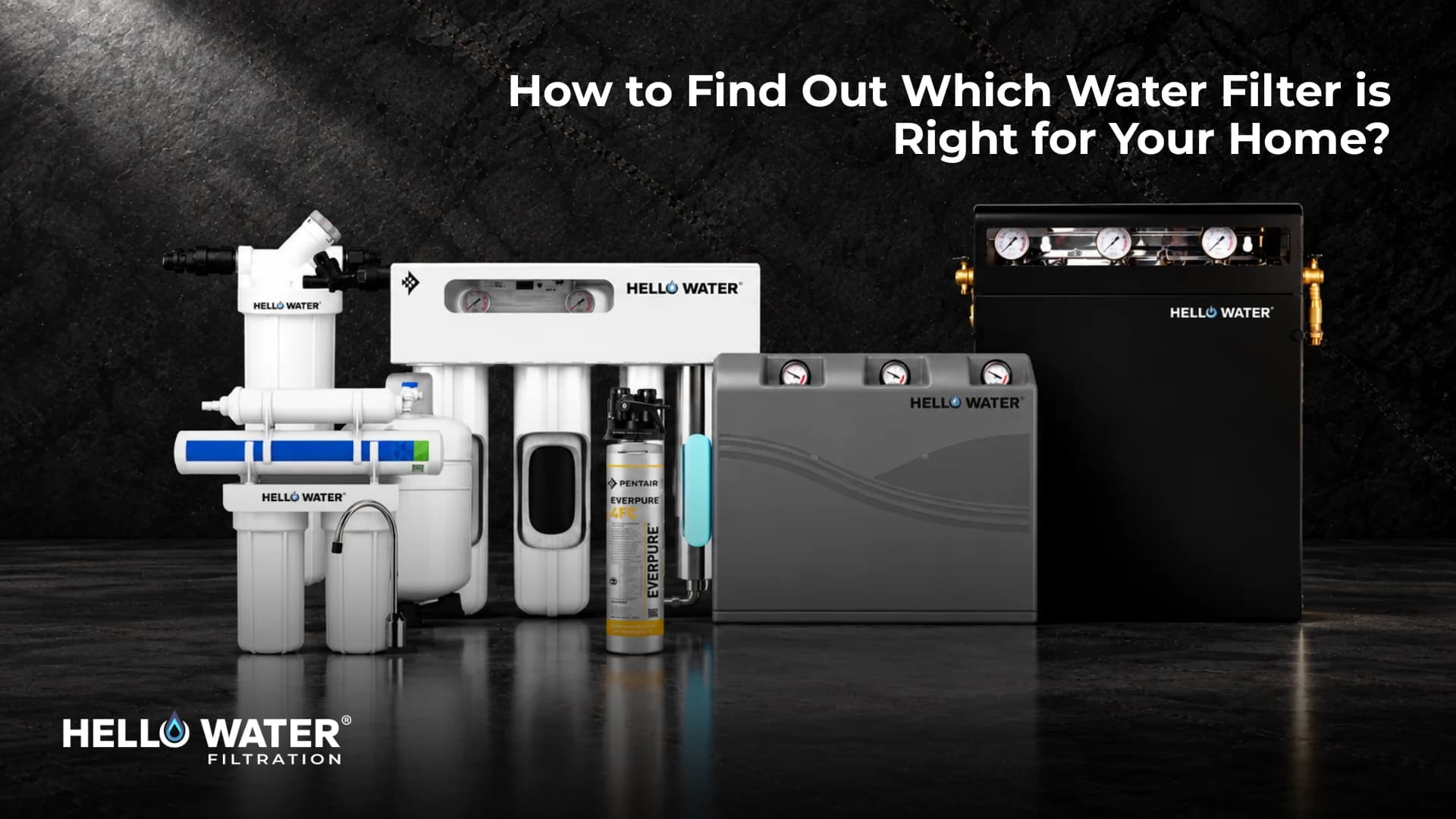
Hello Water Filtration's Whole Home Filtration systems are designed to help reduce heavy metals such as lead & mercury, along with copper, iron, manganese, chlorine, PFAS, pesticides, herbicides, microplastics, sediment, & other unwanted contaminants.
Sources & References
- Australian Drinking Water Guidelines (NHMRC)
- Australian Government – Department of Health & Aged Care (Water Quality)
- World Health Organization – Guidelines for Drinking-water Quality
- Water Services Association of Australia (WSAA)
- Australian Government – Geoscience Australia (Groundwater & Water Resources)